




Best Air Vent Filters
546-0006 Cabin Air Filter Equivalent to 5460006 SC90311 SKL49026
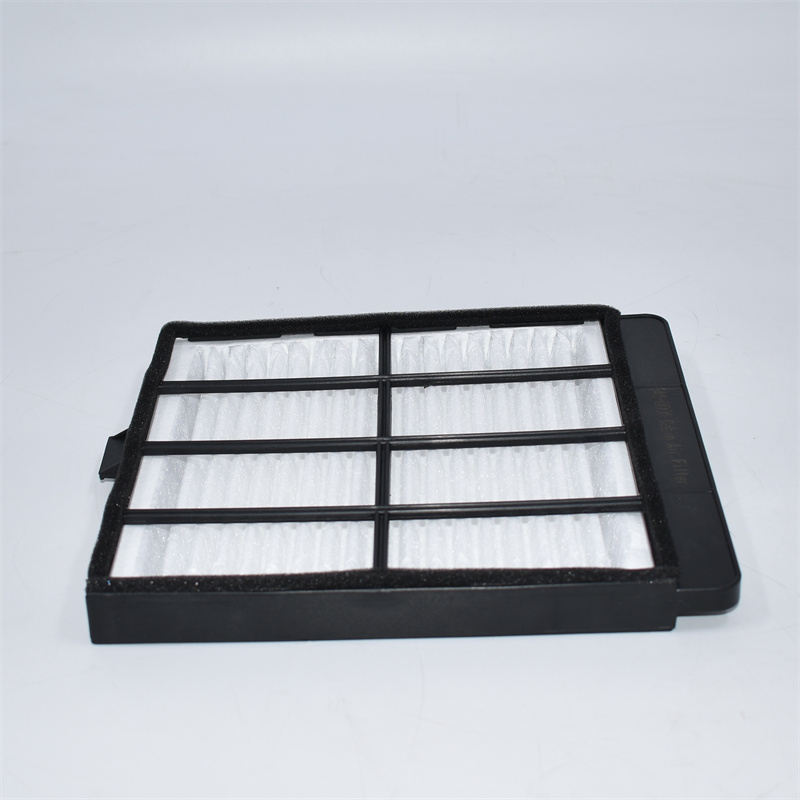
When it comes to air vent filters, there are several options available, each with its own benefits and considerations. Here are some popular types of air vent filters:
1.Fiberglass Filters: Fiberglass filters are the most basic and affordable option. They have a dense fiber structure that captures larger particles like dust and lint. However, they offer limited filtration efficiency for smaller particles and may need more frequent replacements.
2.Pleated Filters: Pleated filters are made of polyester or cotton materials and have a larger surface area due to their accordion-style pleats. They provide better filtration efficiency than fiberglass filters, capturing smaller particles like pollen, pet dander, and mold spores. Pleated filters typically have a higher MERV (Minimum Efficiency Reporting Value) rating, indicating their filtration performance.
3.Electrostatic Filters: Electrostatic filters use an electrostatic charge to attract and capture airborne particles. They can be disposable or washable/reusable. Disposable electrostatic filters are convenient but need regular replacement, while washable electrostatic filters offer the benefit of repeated use after cleaning. They are effective in capturing small particles and can be a good option for people with allergies or respiratory sensitivities.
4.High-Efficiency Filters: High-efficiency filters, such as HEPA (High-Efficiency Particulate Air) filters, are designed to capture a wide range of airborne particles, including allergens, pollutants, and even some viruses. They have a high MERV rating and provide exceptional filtration performance. However, they can restrict airflow, so it's important to ensure that your HVAC system is compatible with such filters and can handle the increased resistance.
5.Activated Carbon Filters: Activated carbon filters are designed to remove odors, gases, and volatile organic compounds (VOCs) from the air. They work by adsorbing these chemical substances onto the activated carbon surface. These filters are commonly used in environments with chemical fumes or strong odors.
When selecting an air vent filter, consider factors such as your specific indoor air quality needs, the HVAC system compatibility, the required filter size, and the maintenance requirements. Additionally, check the MERV rating, which indicates the filter's ability to capture particles. Higher MERV ratings indicate better filtration performance but can also impact airflow.
It's important to regularly inspect and replace air vent filters according to the manufacturer's recommendations to ensure optimal filtration efficiency and maintain good indoor air quality.